ByAlyssa Clough,Photography byBelle Morizio,Styling byMolly Velte
PublishedApr 25, 2026 5:20 AM EDT
We may earn revenue from the products available on this page and participate in affiliate programs.
Sign Up for Domino’s Newsletter
By signing up, you confirm you are 16+, will receive newsletters and promotional content and agree to ourTerms of Useand acknowledge the data practices in ourPrivacy Policy. You may unsubscribe at any time.
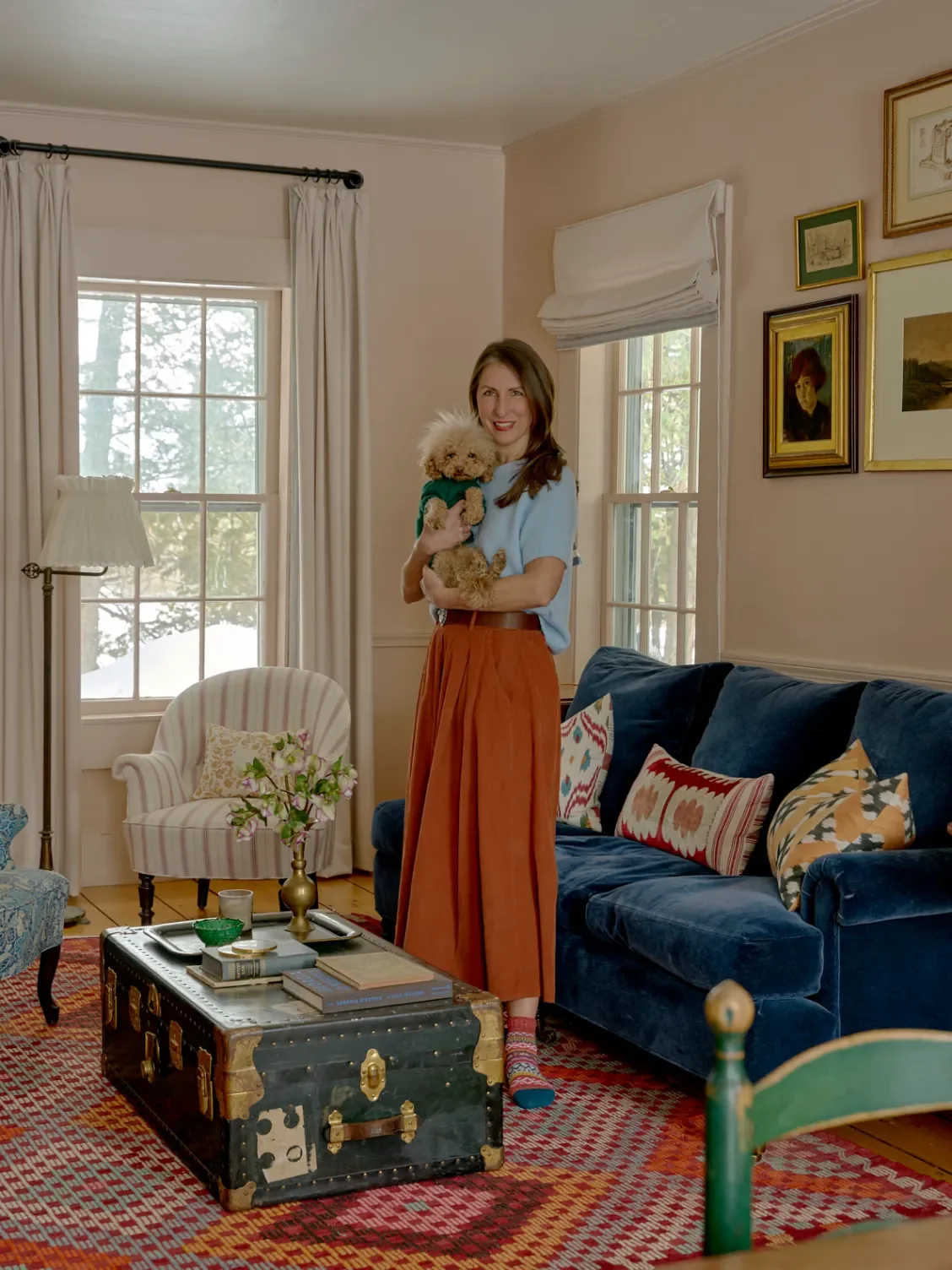
Standing in a dirt driveway bidding against a pair of sisters on a foreclosure isn’t how most people score their dream home. But it’s how Julia Noran Johnston, founder of Domino’s sister publication, Business of Home, landed hers. The 1860s farmhouse had a lot going for it, even after four years sitting empty: it sat in a bucolic corner of Vermont, had lake access, and—this was key—it was old. “We don’t buy anything that’s not super old,” says Johnston, a self-described antiques hound.
The home carried a serious pedigree, with just three prior owners, including descendants of the founders of the Cranbrook Academy of Art, as well as a family who had left behind troves of furnishings and objects.
There was a hitch, as there always is with foreclosures: Johnston and her husband couldn’t get a look at the interiors except by peering through the windows (and using their imaginations). The auction was tense, but once they were declared the new owners, everything simmered down. “We got to walk through the house that day and it was amazing,” she recalls, noting the original wide-plank pine flooring and windows. “It was really spacious and obviously needed a decent amount of work, but it was in good, solid shape.”
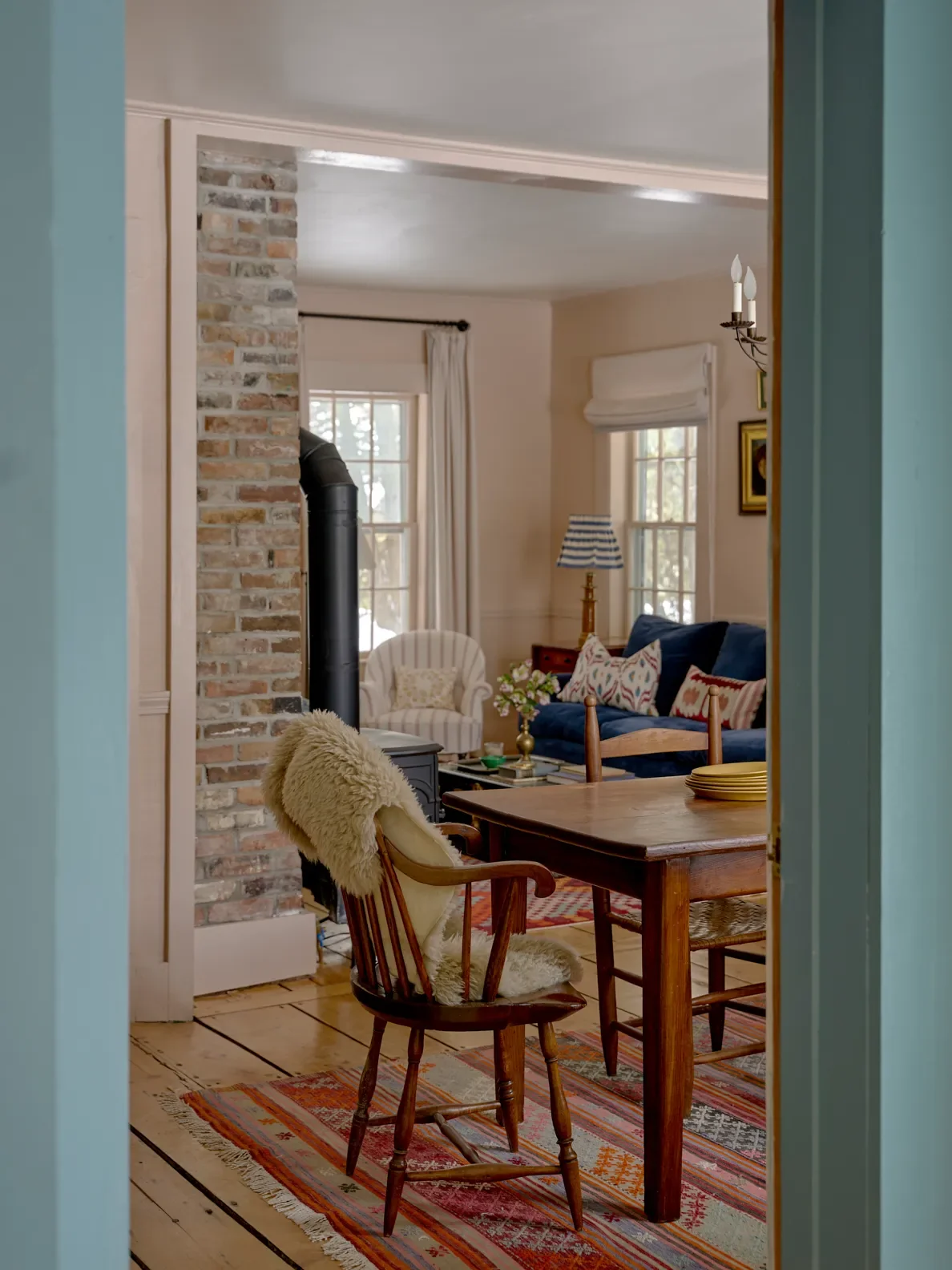
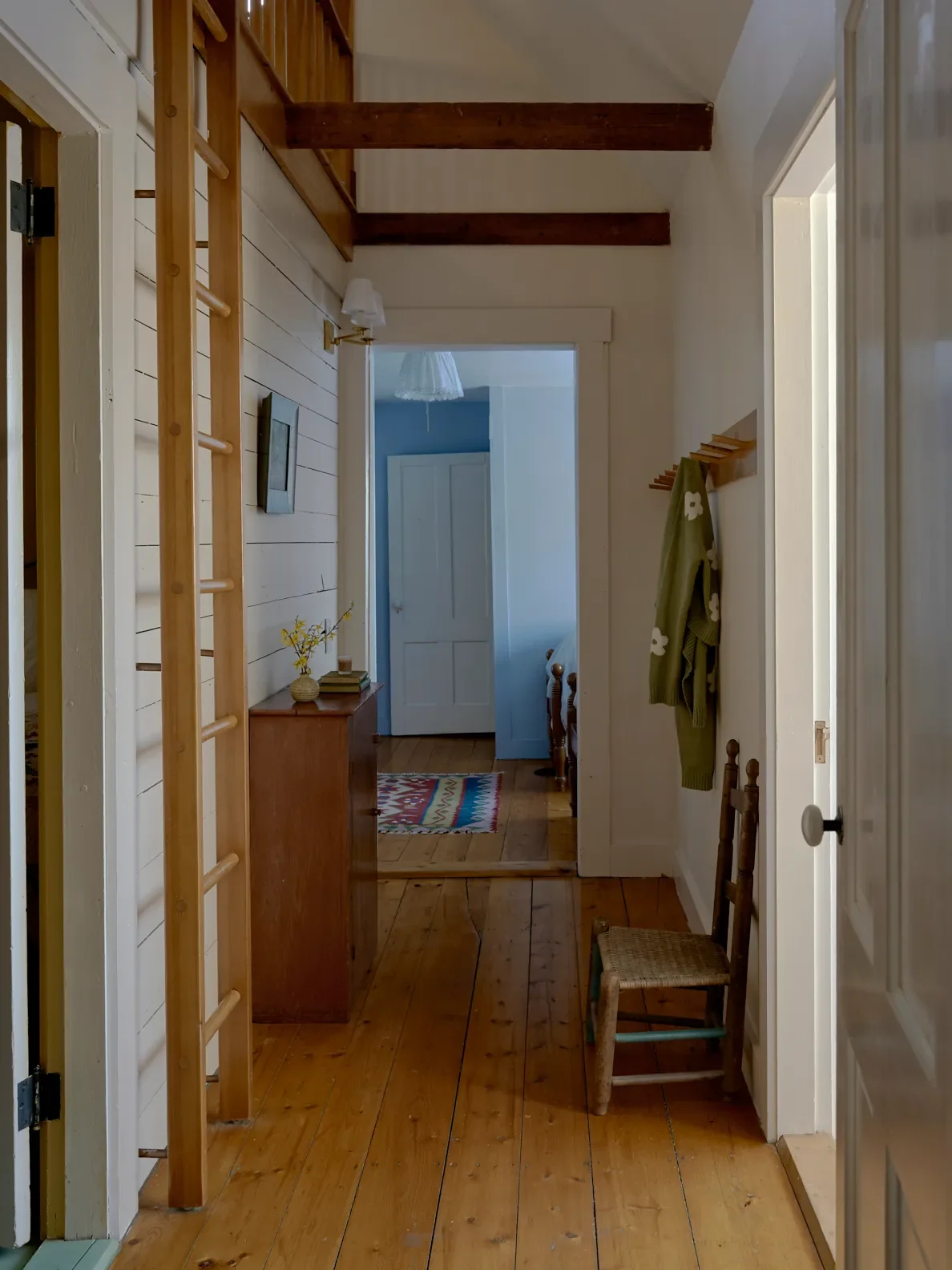
Nine months later, they were hosting family for Christmas. The holiday served as a deadline to finish the “first draft” of the home, though it would take another year to fully bring Johnston’s vision for the seven-bedroom, three-and-a-half-bathroom farmhouse to life. “It looks humble and unassuming, and then you walk in and it just rambles and rambles,” Johnston says.
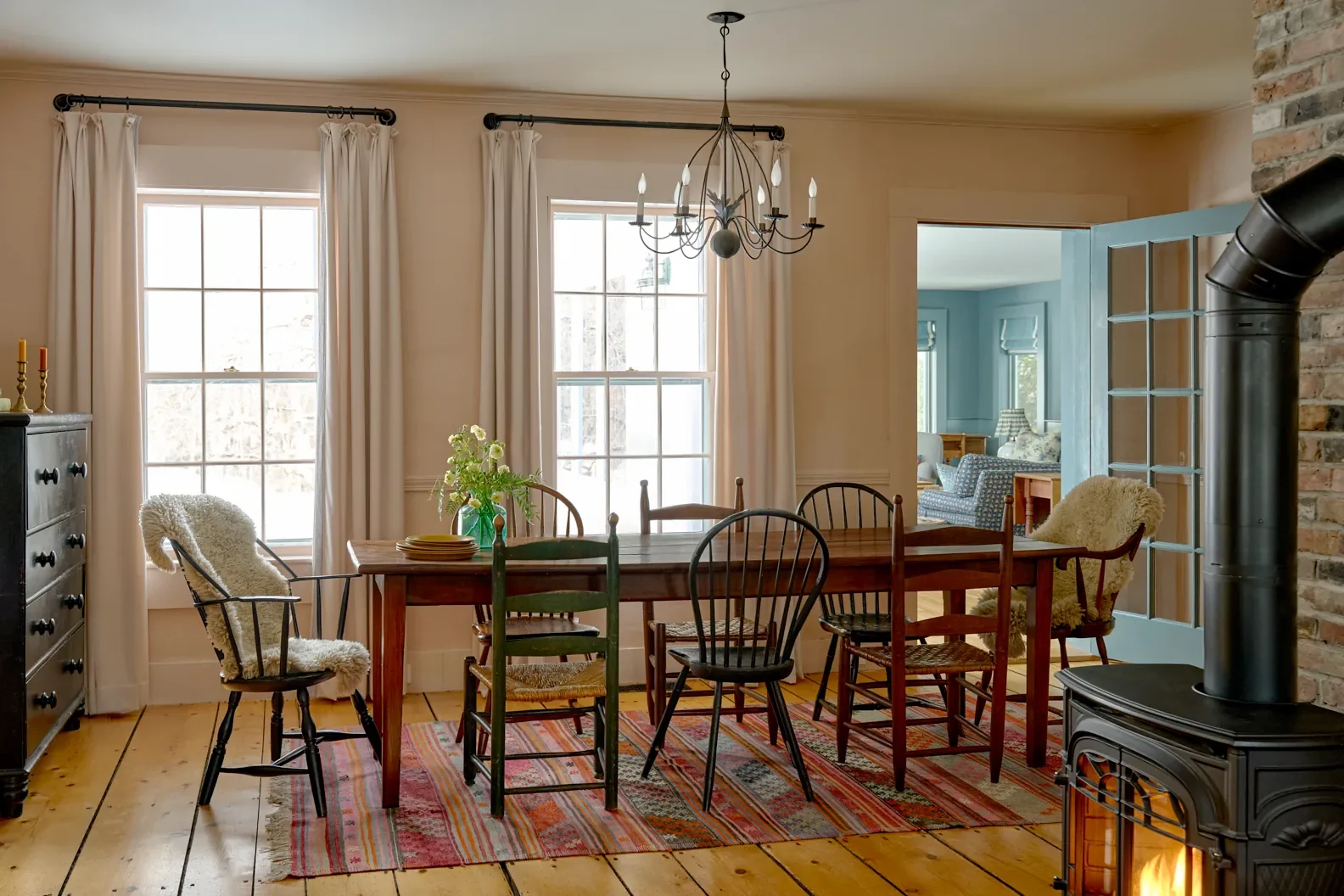
Being a steward of old houses is something Johnston takes seriously; the maintenance and complications aren’t just expected, they’re welcomed. The last owners, who purchased the property in the ’90s, “did the really hard renovations,” as she puts it—proper plumbing and electrical among them. They also built two additions in a U-shape, which Johnston found excessive for her family. To let in more light, open a grander view, and pare back on square footage, she had one of the new wings demolished.
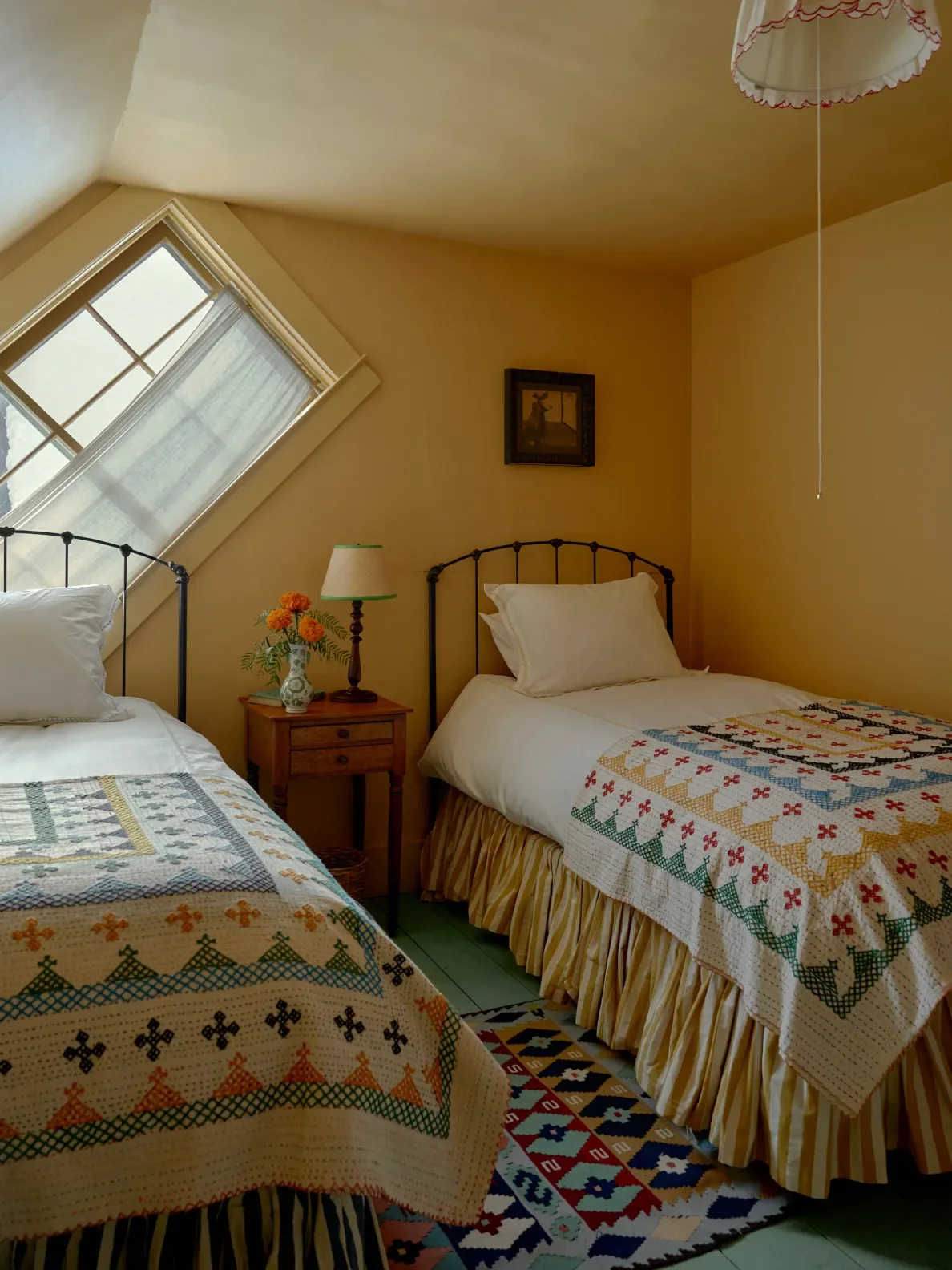
Other architectural quirks proved fun challenges. One was the slanted witch window in one of the bedrooms, which needed a custom dressing. After loads of research, Johnston called in reinforcements, booking a session on The Expert with designer Hadley Wiggins, who suggested a quick grommet solution. In the end, Johnston settled on a temporary-turned-permanent treatment of two stretch rods and fabric panels from an Etsy maker. Another obstacle: she learned that if you remove really old wallpaper from really old plaster, the whole shebang is at risk of crumbling. So the kids’ rooms and upstairs bedroom were plastered and painted over from the start.
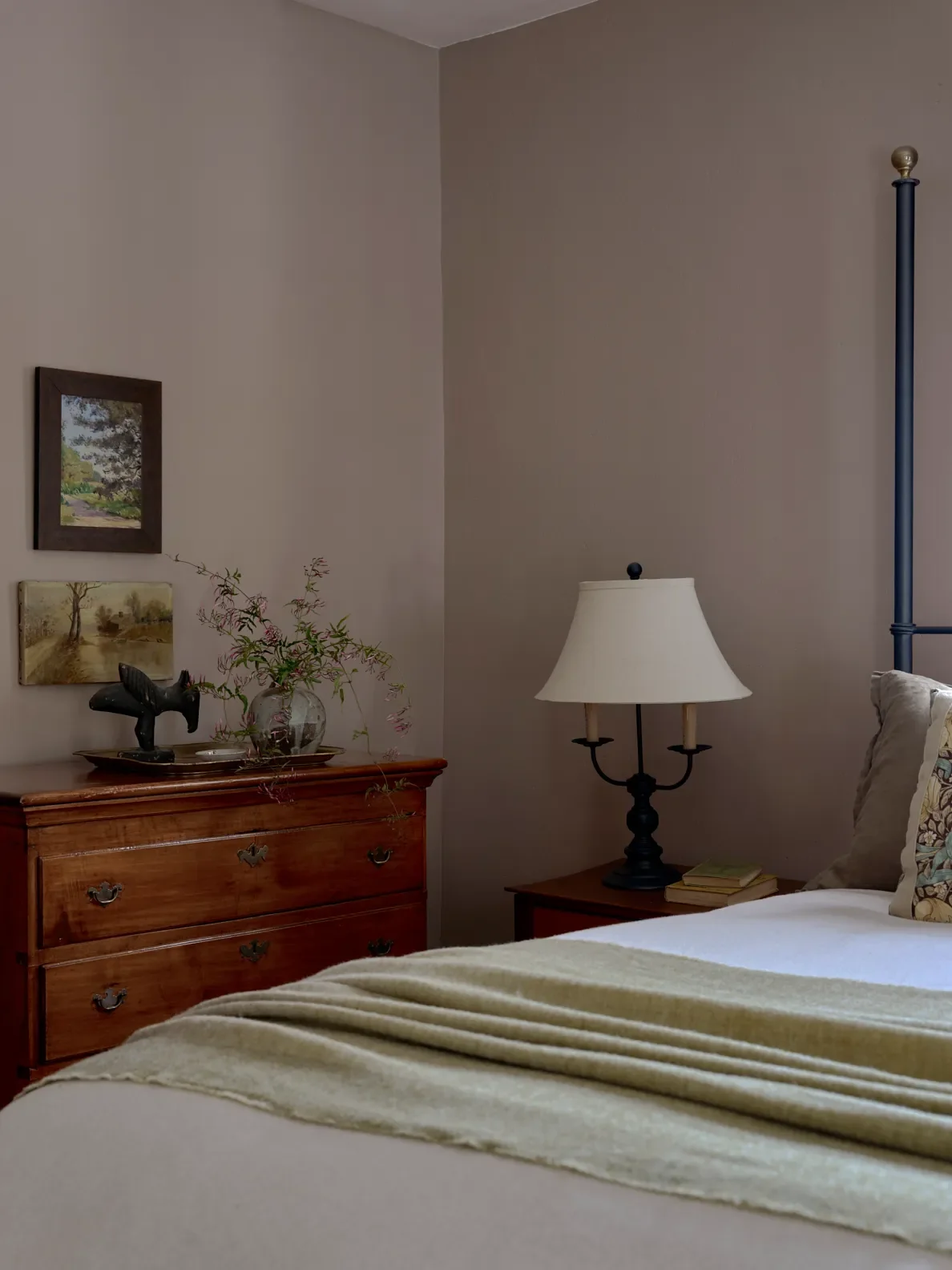
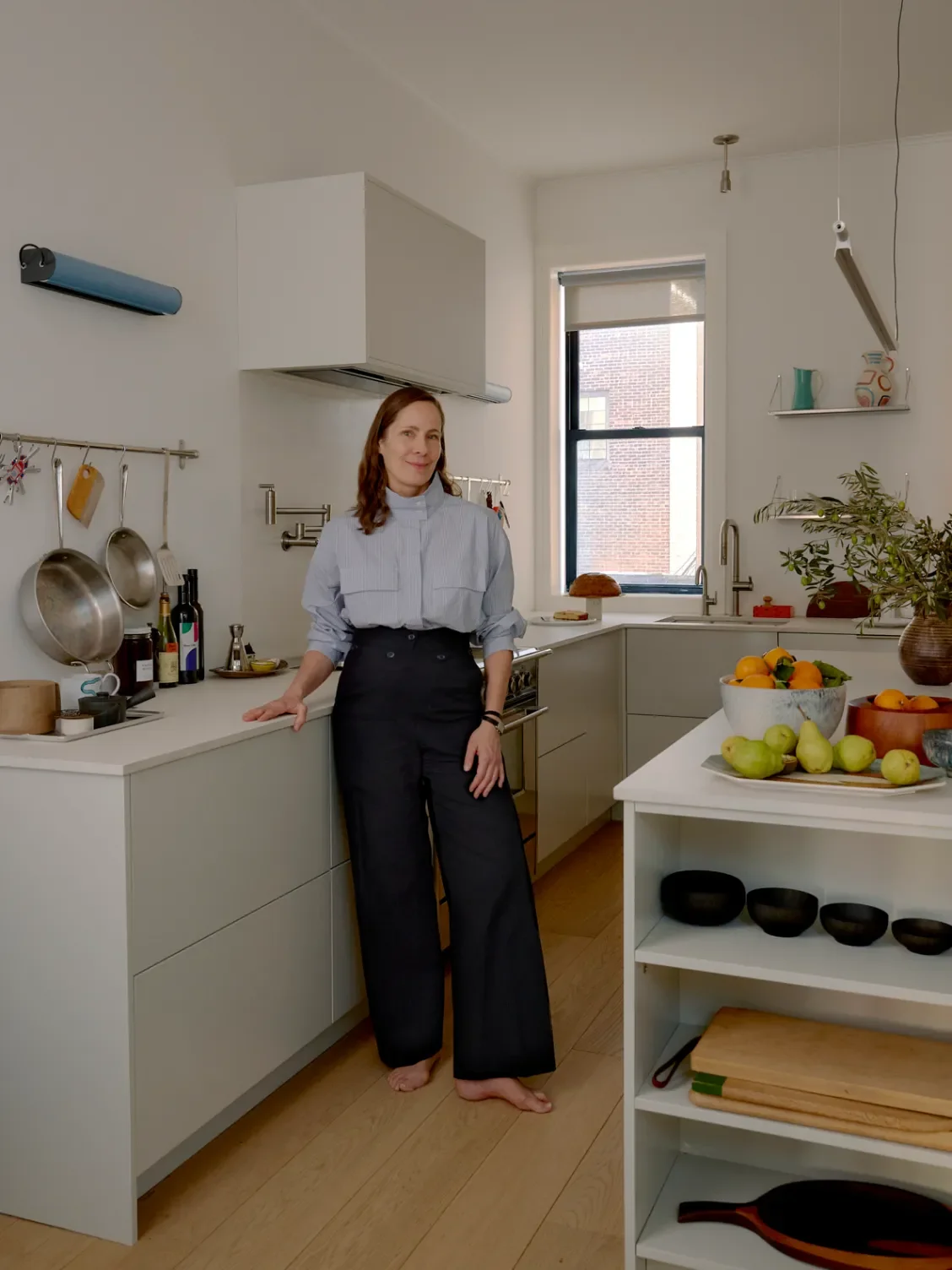
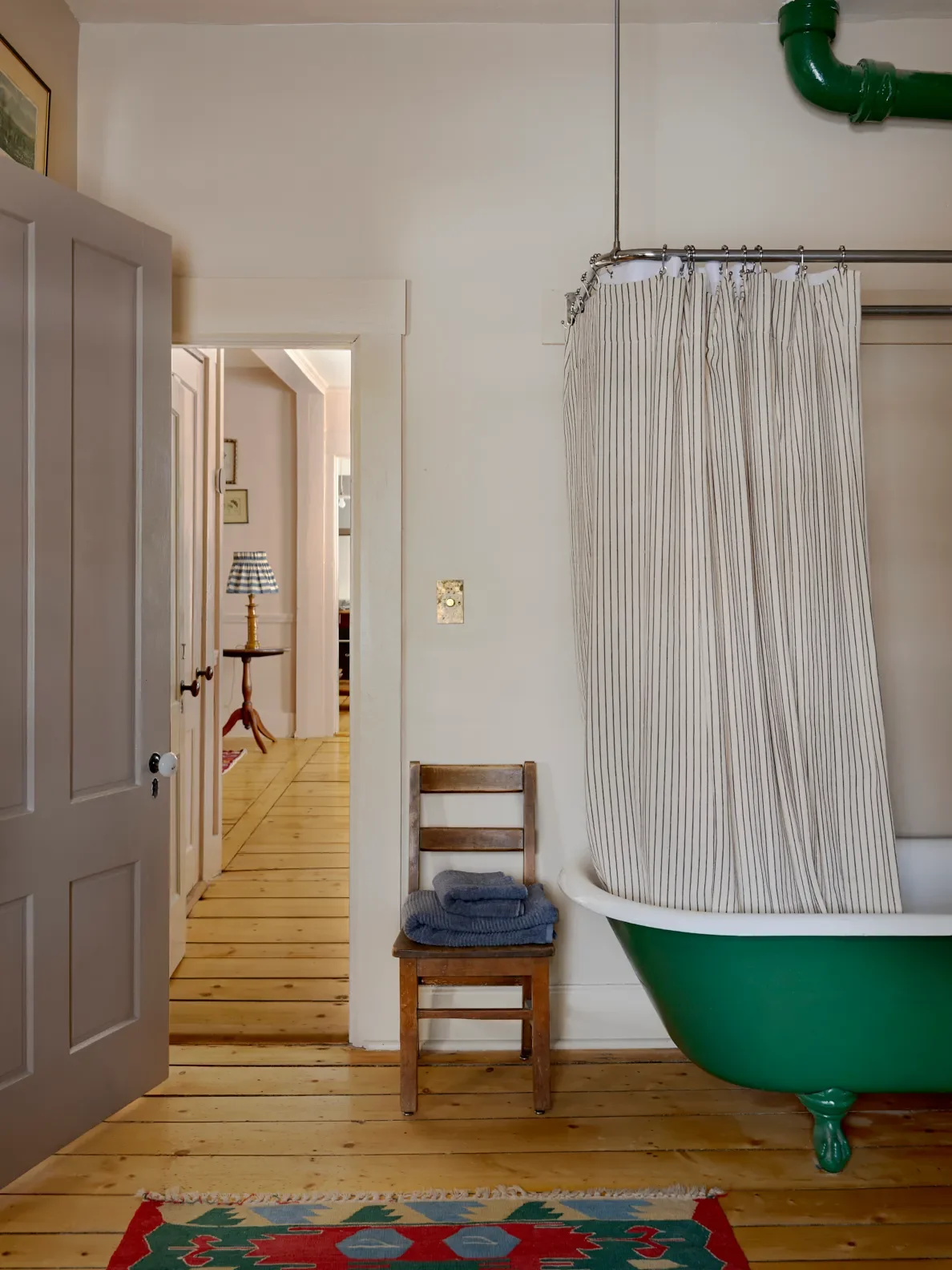
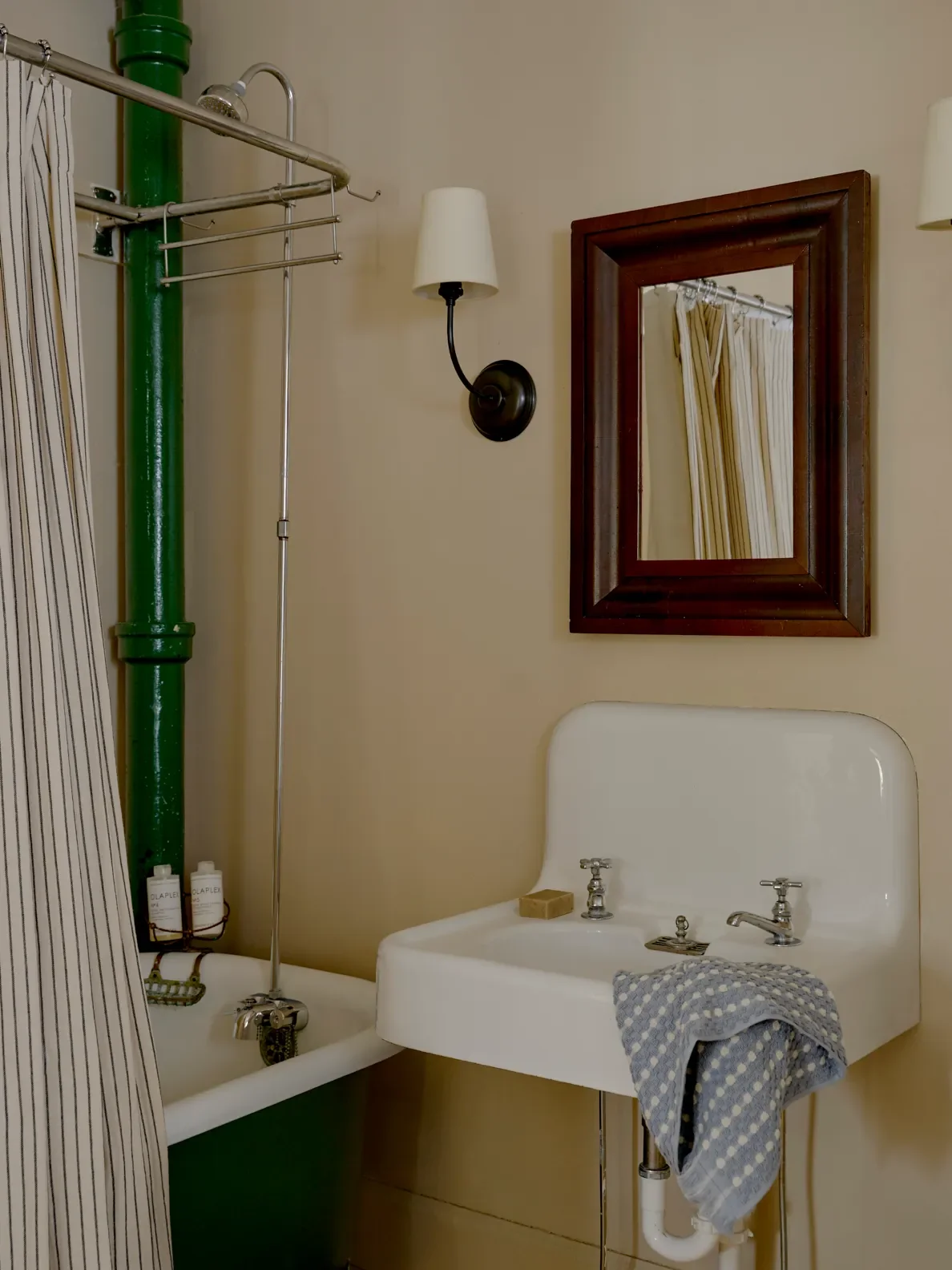
Not every room required a major facelift. A coat of black paint and an old dressmaker’s table–turned–island was all the kitchen needed to shine. Functionally, the only necessary update was losing the handsome Garland stovetop that Johnston describes as “a commercial kitchen gas monstrosity.” (Each time it fired up, the carbon monoxide detector went berserk.) The verdant freestanding tub and matching pipe in one of the guest bathrooms were also left as-is, settling seamlessly into her palette preferences. “I really like the icky colors,” admits Johnston—shades of pink and taupe she defines as “kind of muddy and a little bit ugly, but somehow very comfortable and peaceful.”
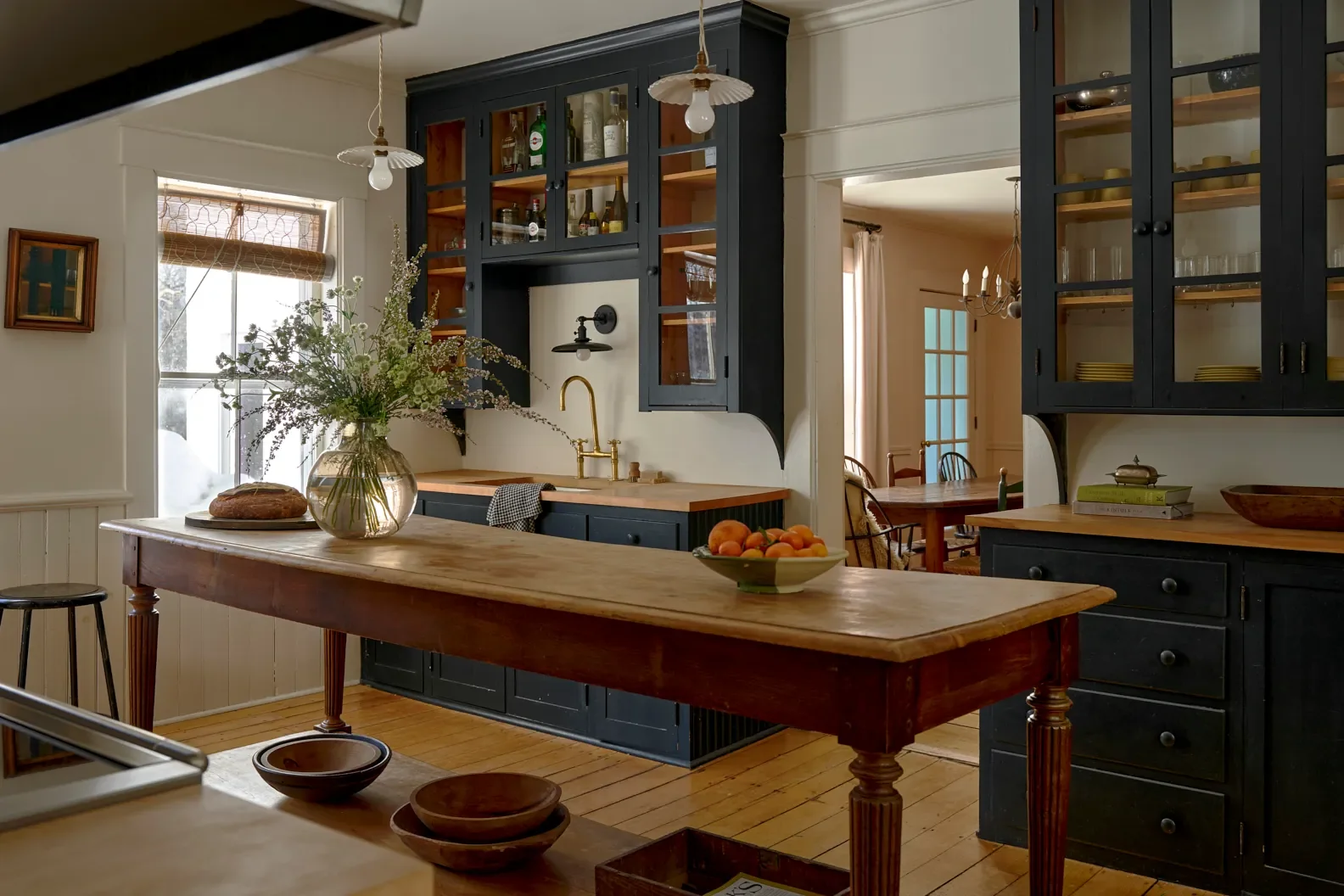
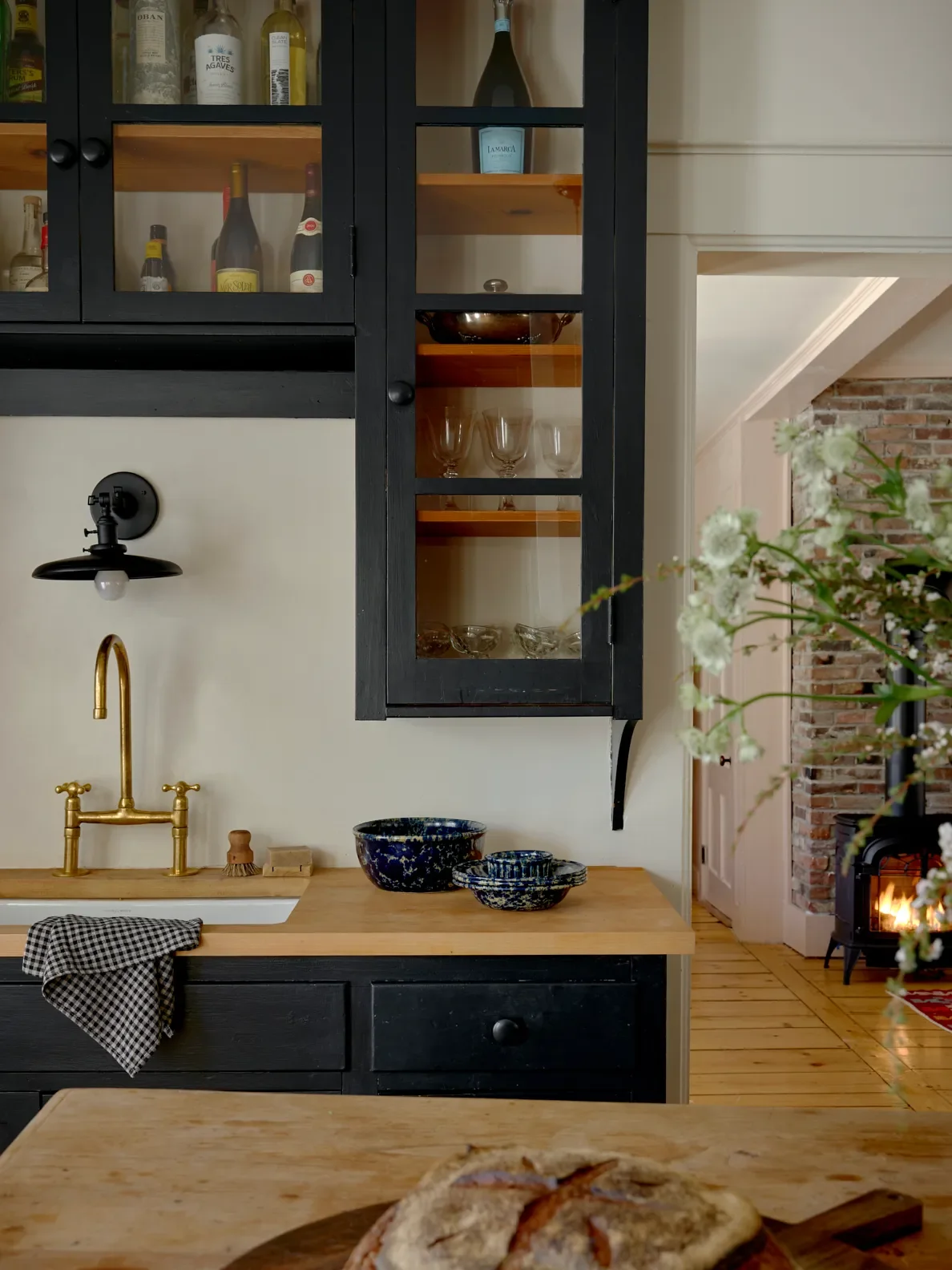
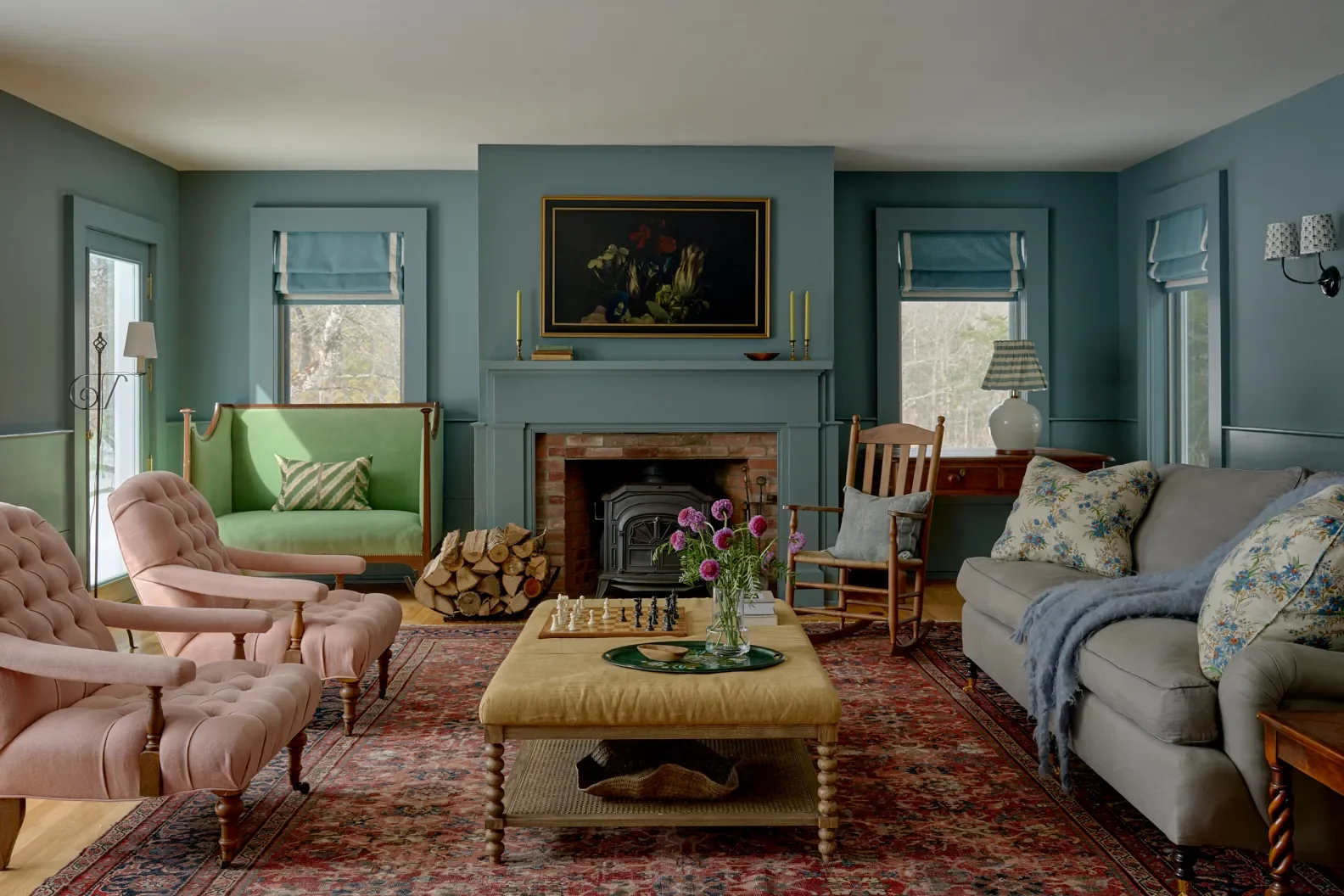
Decorating-wise, she took cues from old English homes and collected farmhouses. “You have so much more that you can do—there’s flexibility, forgiveness, and character,” she says of setting up in a historic house. “And I love antiques. I love being able to incorporate what they left behind.”
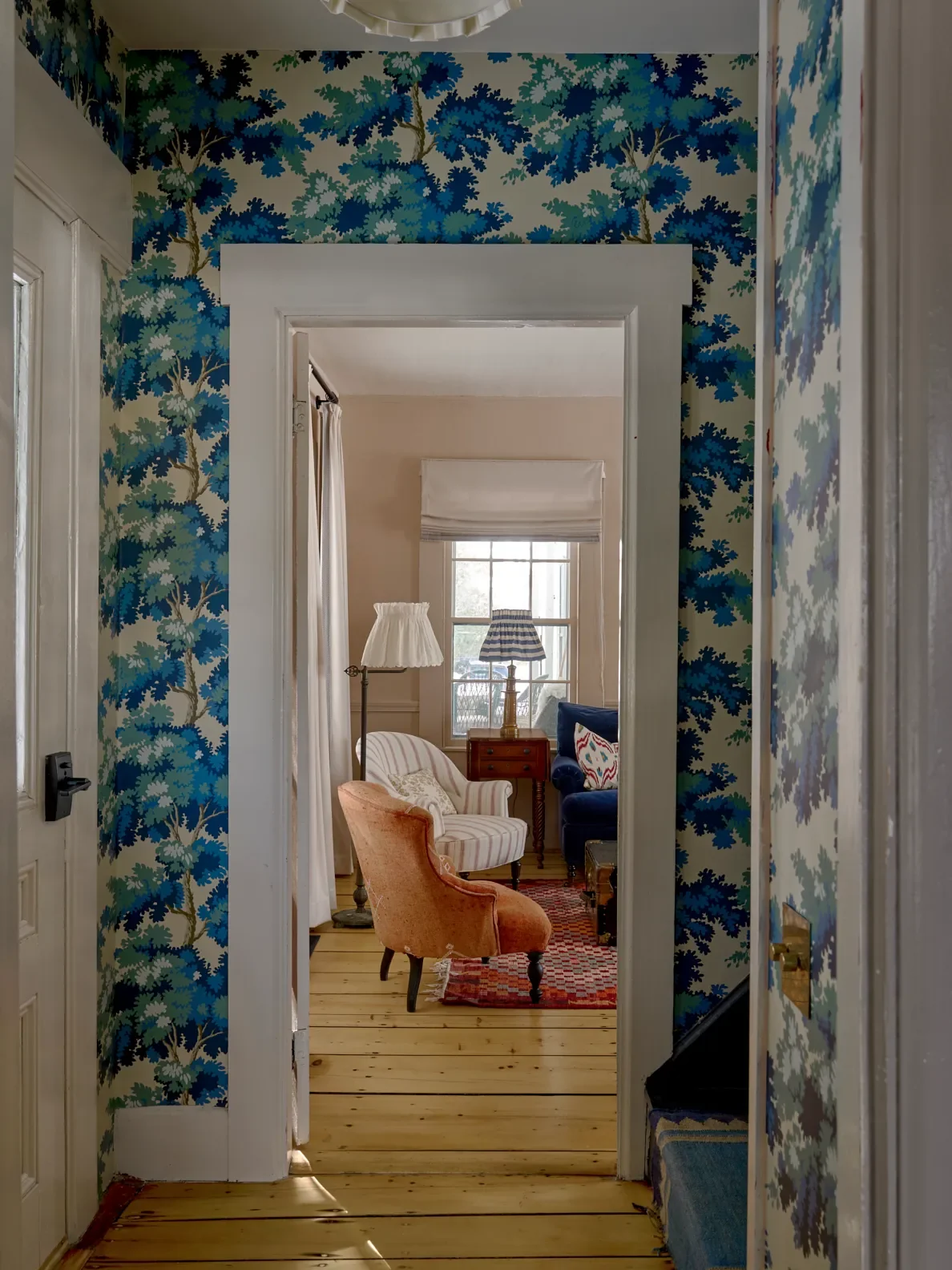
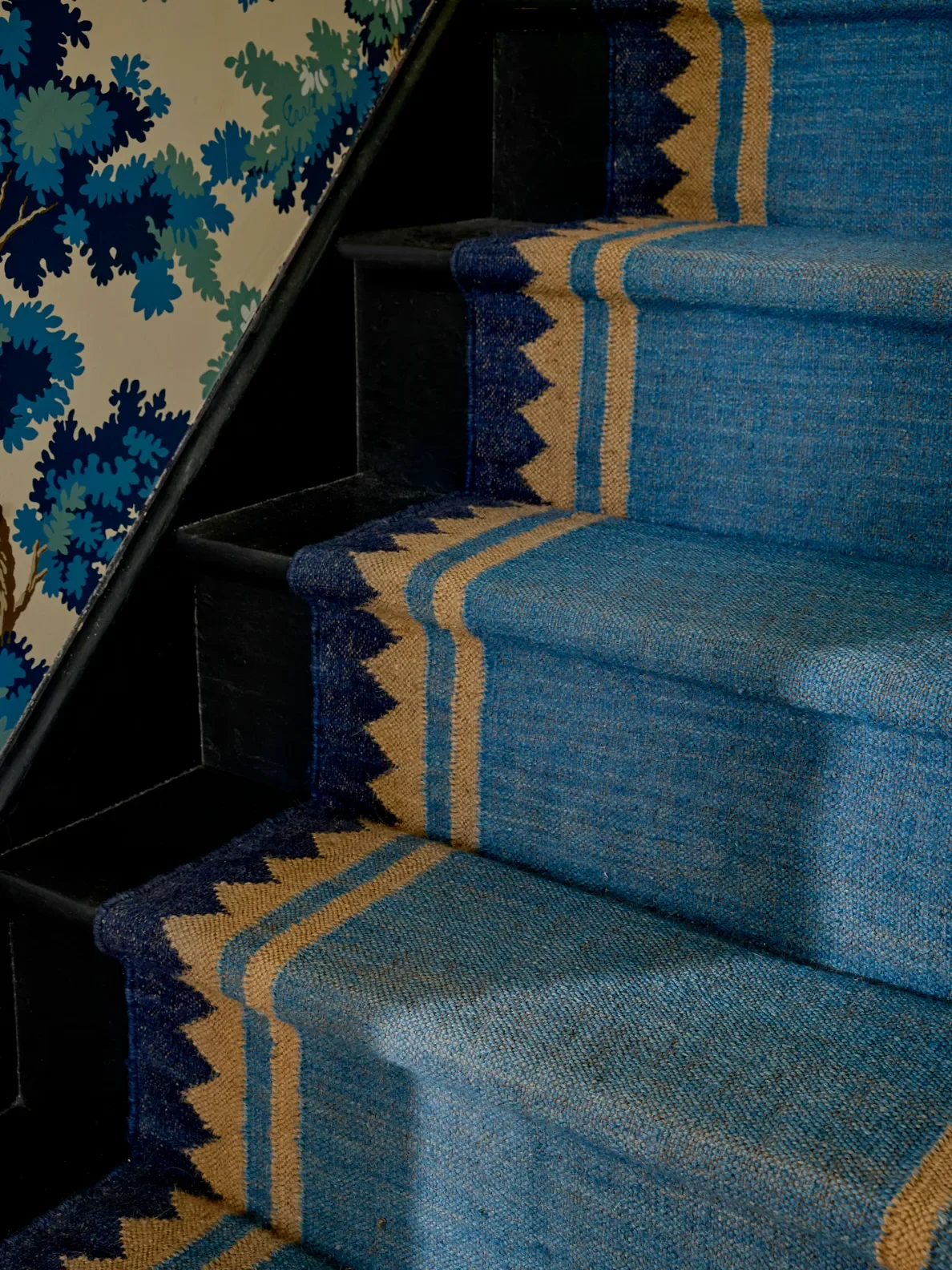
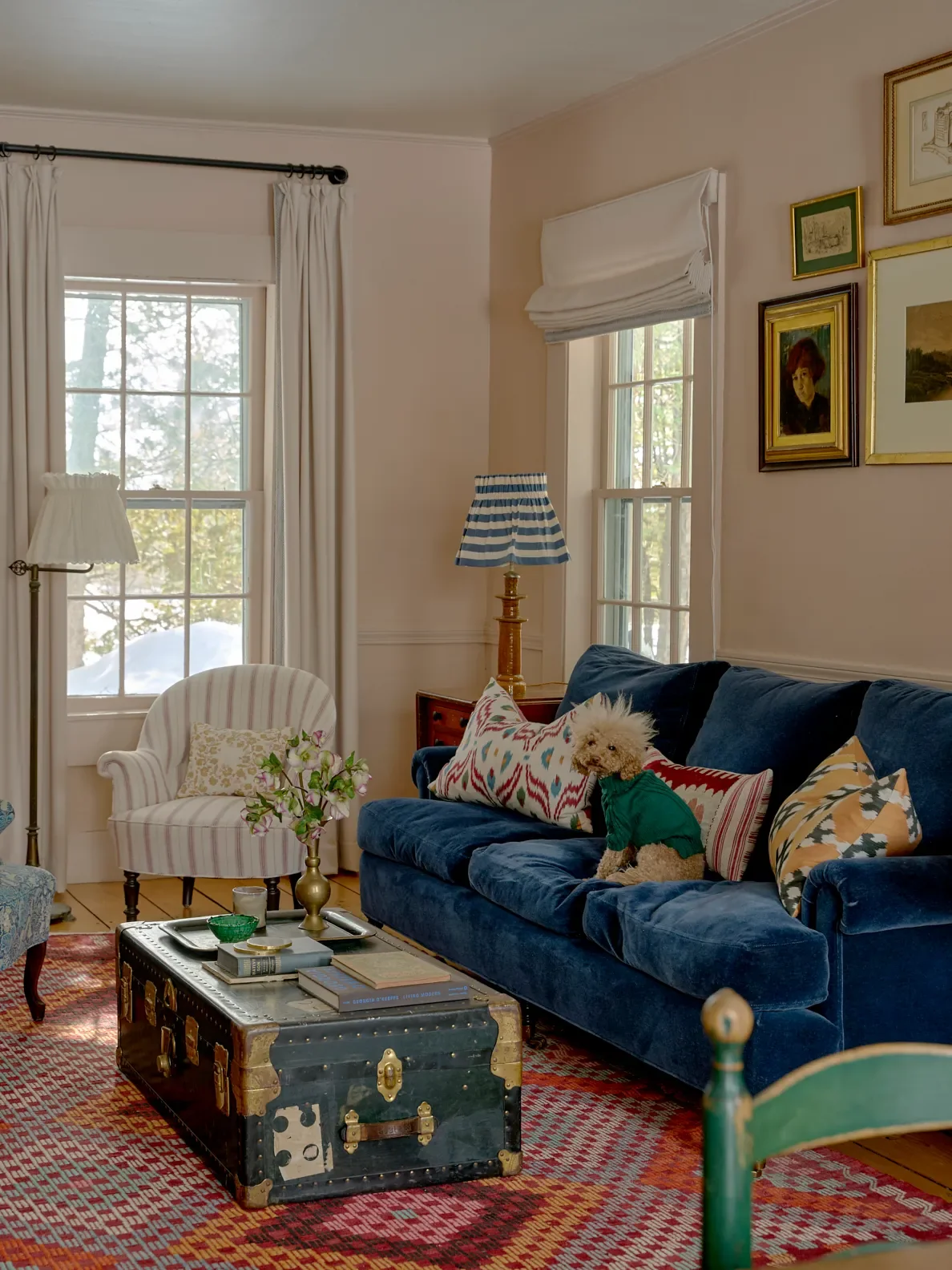
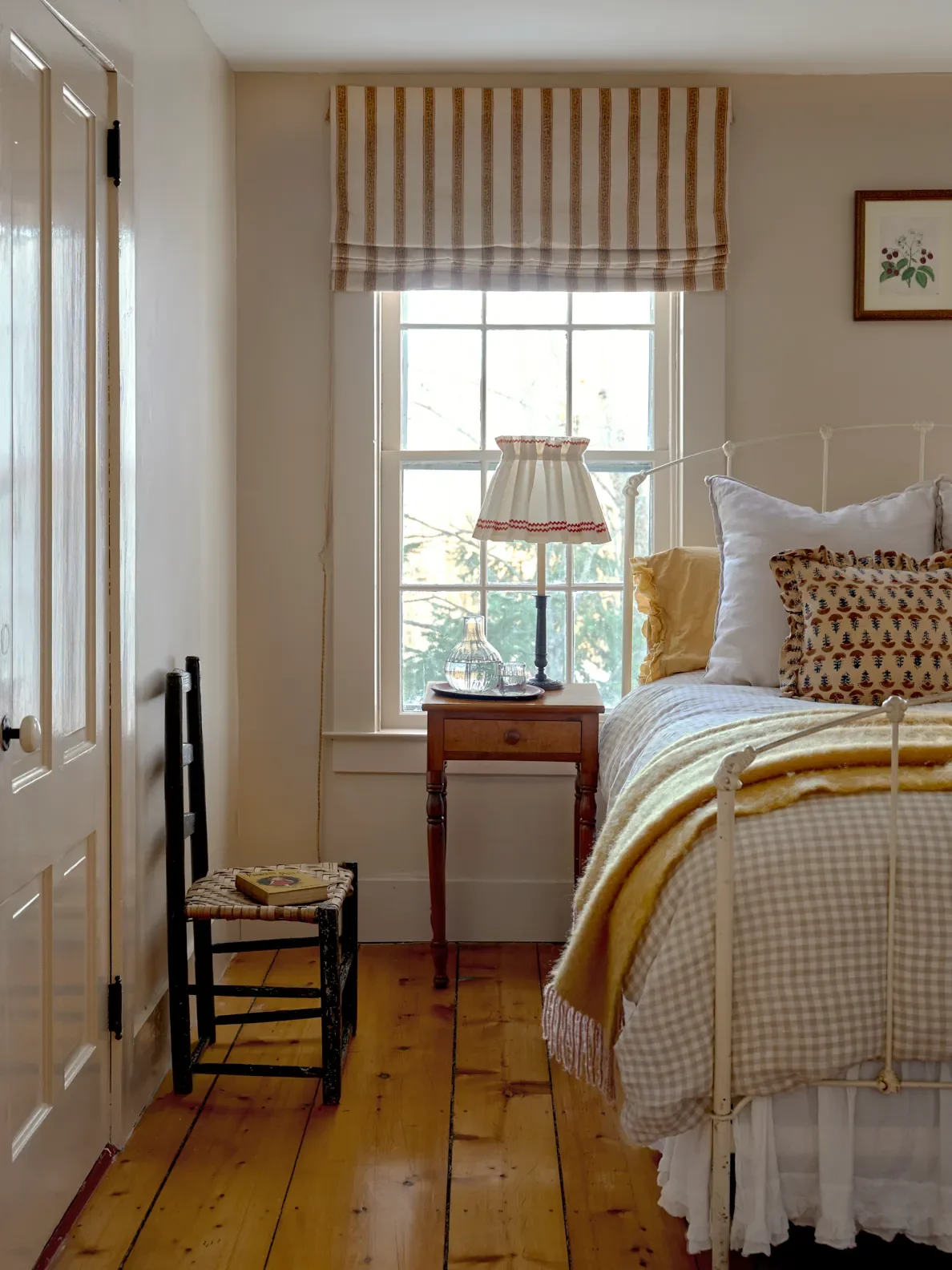
Johnston and her husband, with their two kids, sifted through the home’s cast-offs like a hobby. Dolls filled with sawdust, painted family portraits, and a trunk that now serves as a coffee table in the sitting room sent the family down “rabbit holes of research.” To fill the gaps, Johnston sourced multiple carloads of antique end tables and nightstands, plus art and books, from local shops. Aside from fresh upholstery, a $300 Etsy staircase runner, and a few pieces in the blue-painted addition, you won’t find much that’s new. Preferences aside, the scale of antique furniture simply suits the smaller rooms better than its larger contemporaries.
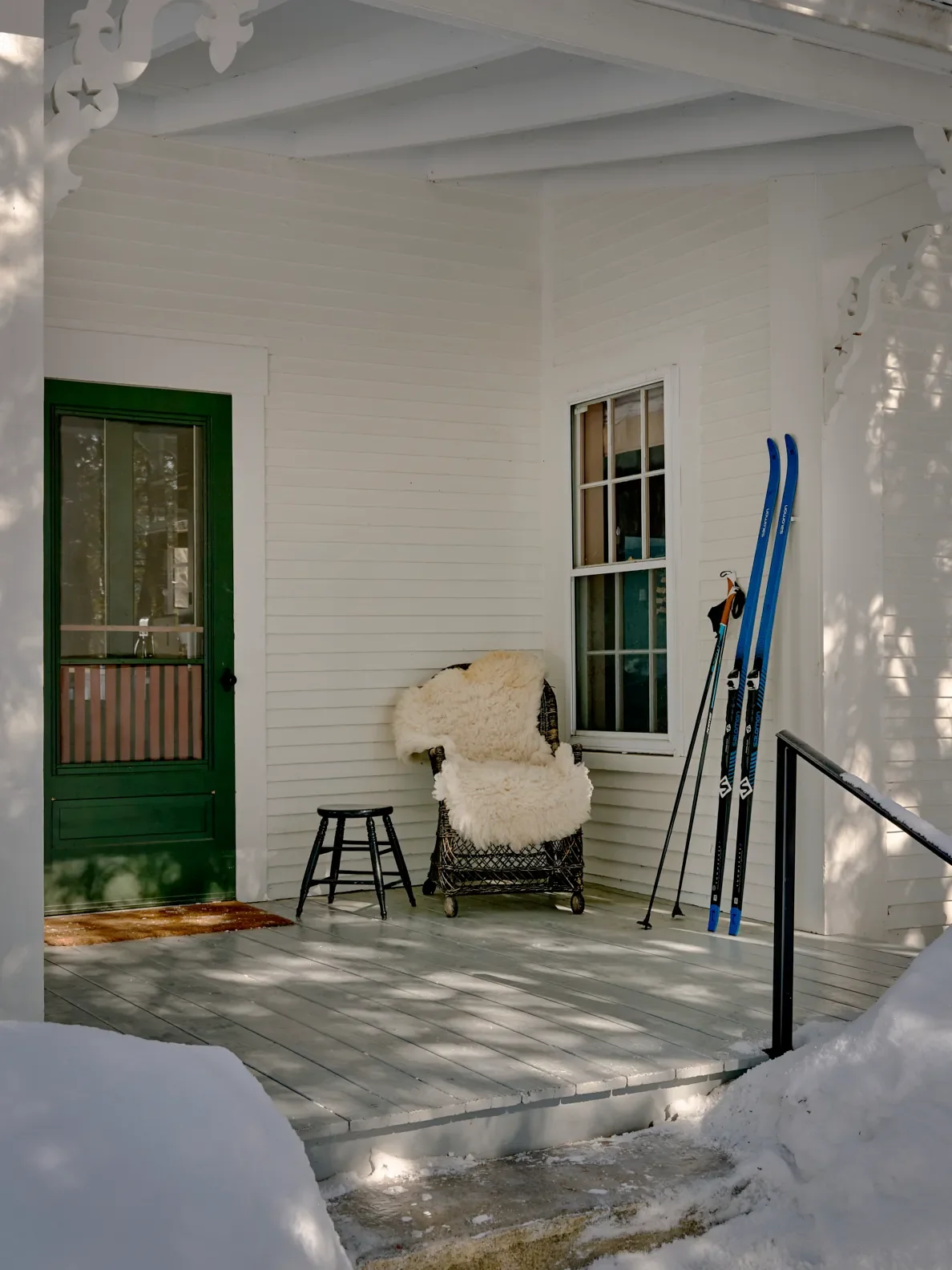
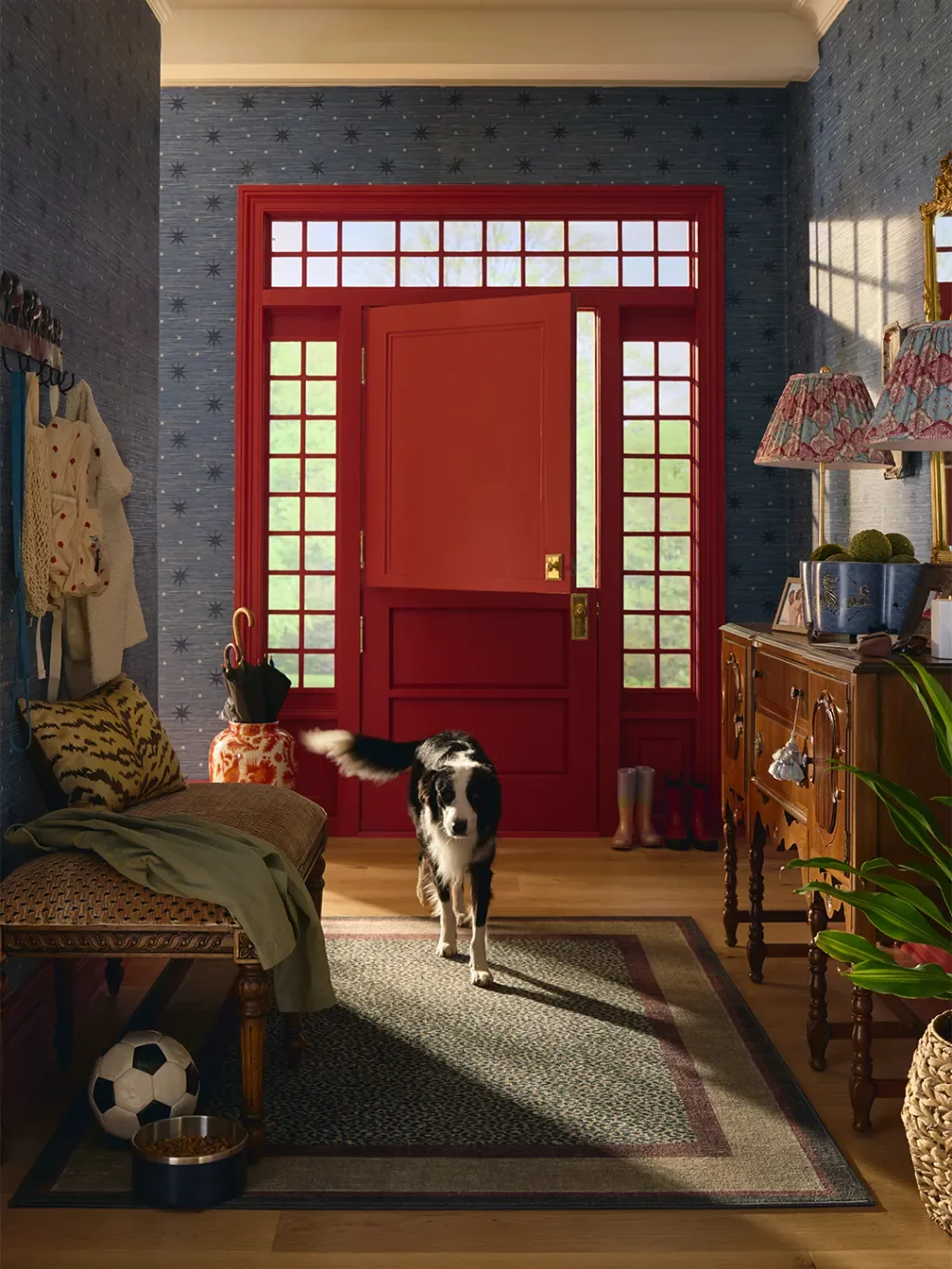
These days, the home’s entry stores skis in winter and works as a towel-washing hub after long days at the lake in summer. When the weather warms, the barn becomes home to goat kids, chickens, and the occasional bunny, as well as an “antiques graveyard” cleaned out a few times a year. Broken chairs and other rejects are left on the curb for neighbors who like to restore. And this past Christmas, 18 family members gathered around the dinner table to celebrate.
Alyssa started her career at Domino, serving as a digital editor before becoming our first-ever social media manager. Her defining accomplishment: helping build Renovator’s Notebook. She continued her career at industry leaders Semihandmade and West Elm. Now, she works with interior designers and furniture companies to tell their stories on social and beyond. Bold color, vintage designs and sustainable living are her calling cards.

Belle is the in-house photographer and associate photo editor for Domino, capturing everything from home tours to gift guides, plus the occasional how-to project. She joined the photo team as an intern in 2018 and was brought on full time in January 2021.
Learn more about Domino.comEditorial Standards